What's Up Dagupan chronicles what's Hip and Hot in Dagupan City.
It is a compendium of the news, events, culture, food, arts, language and music of Region I's "Pandaragupan", Longest Grill World Record Breaker and Bangus Capital of the World!
Department of Tourism AD for Dagupan Bangus Festival
Get link
Facebook
X
Pinterest
Email
Other Apps
♫May masayang kaganapan ♬ tuwing Abril sa Pangasinan...♪
♩Busog ka sa Sarap at Tuwa! ♫ Dagupan Bangus Festival!
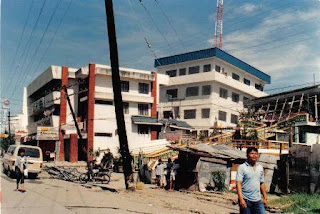
The July 16, 1990 Earthquake was a devastating episode for Dagupeños and other people affected by it. But it was also a time for resilience, community collaboration and positive will to rise from the crumbles of devastation. In effect, a new Dagupan was born. Here are images from that fateful day: It has been 20 years. We, as a city should look back to not how painful and scary the July 16, 1990 earthquake was. Instead, we should remember the lessons learned, the sacrifices and the concerted efforts we made to uplift and make Dagupan great again. Are we now equipped and prepared to handle such emergencies? Can we minimize adverse effects in case (God forbid) such disaster happens again? Can we harness the spirit of genuine concern and voluntarism? Can we become one Dagupan again? Photos from Sunday Punch .
Dagupan Kaleskes is a dish made out of cow or carabao meat and its internal organs in a hot, delicious, orange colored broth. The dish got its name from ' Kaleskes ' which is a Pangasinan word for intestines . It is the annatto or achuete that gives the soup its distinct orange color and slightly nutty, earthy and delicately sweet flavor. But most of the yummy flavor comes from the beef and innards (some prefer to use carabeef as it is said to be more flavorful and cheaper than beef). The meat is slow cooked in a big aluminum basin or casserole usually with charcoal in a brazier or kalan de uling/ ulingan (clay stove). This adds a different scent and flavor to the food. The coup de grace for a delectable Dagupan Kaleskes are the free sebo tan dala (fat and blood)! By the way, the broth is unlimited so you can ask for endless refill. Kaleskes , a Pangasinan dish is similar to the Ilocano’s Sinanglao and Pinapaitan . It however does not ha...
EACH dish has a story… Eating outside a public market stall in Mangaldan led me to a delicious meal and a local cuisine history lesson about “beng-beng”. Beng-beng is Mangaldan’s version and the precursor of the more popular street food Dagupan Pigar Pigar, which is deep fried carabao meat seasoned with salt and pepper and garnished with onions. The difference between bengbeng and pigar pigar is how the meat is cooked. The bengbeng is initially cooked in its own fat and water before oil is added and brought to boil. For pigar pigar, the carabeef is dropped to an already boiling oil. When the meat is cooked cabbage and onions are added The stall owner and cook who prepared my meal turned out to be the originator of beng-beng, Belen Aquino of JR Bengbengan. According to her, beng-beng is a Pangasinan word for the meat in the abdomen near the ribs of the cow or carabao. The meat trimmings were once given “free” to the matadors/ butchers of Mangaldan who had them cooked by her ...


Comments
Post a Comment